
Running DSiWare on Flashcarts
Setup Guide:
DSiWare Compatibility
Running DSiWare on NDS hardware is not a stable experience. As DSiWare is meant to run in DSi mode with larger RAM and higher clock speeds than NDS, some titles will run with no audio playback and/or outright crash later on, with a few that will occasionally run with slowdown. A Memory Expansion Pak may also be required to run some DSiWare in NDS mode. For example, Dragon Quest Wars will not launch on a DS unless the pak is inserted.
A list of DS-mode compatible DSiWare can be found in the TWiLight Menu++ GitHub Repository.
-
First setup TWiLight as either primary or secondary kernel on your flashcart.
-
After setting up TWiLight Menu++, you will need to place your DSiWare (with
.ndsextension) in/roms/dsion your SD card.Note
If your DSiWare dump is a file with no file extension, you can change the filename and add
.ndsto the end to get TWiLight Menu++ to pick it up in the menu.For example, if you have a DSiWare dump of Zelda: Four Swords with the filename
00000000, you can rename the file toZelda Four Swords.nds, before placing it inside/roms/dsi -
You will now need to find a DS game built with SDK 5.x to use as a donor ROM for DSiWare. Place the donor ROM in
/roms/nds.Tip
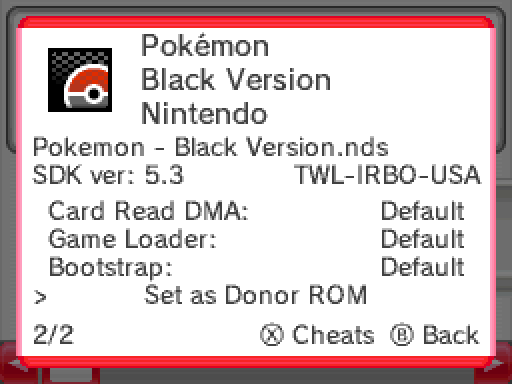
DSi-Enhanced games, such as Pokémon: Black Version are usually built with SDK5.x, which makes them a good candidate for usage as a donor ROM. You can check the SDK version of any game by highlighting it in TWiLight and pressing
Y. -
Highlight the donor game in TWiLight, and press
Yto open the ROM info menu. Scroll down to the bottom, and selectSet as Donor ROM. -
You are now ready to play DSiWare! Head to
/roms/dsiin TWiLight and choose a game to launch. -
[Optional] - To improve compatibility, insert a Slot-2 Memory Expansion Pak if you are using a DS Lite or NDS.
DSiWare Compatibility
Running DSiWare on NDS hardware is not a stable experience. As DSiWare is meant to run in DSi mode with larger RAM and higher clock speeds than NDS, some titles will run with no audio playback and/or outright crash later on, with a few that will occasionally run with slowdown. A Memory Expansion Pak may also be required to run some DSiWare in NDS mode. For example, Dragon Quest Wars will not launch on a DS unless the pak is inserted.
A list of DS-mode compatible DSiWare can be found in the TWiLight Menu++ GitHub Repository.
-
Download NDSForwarder-DSi to the flashcart's SD card root.
-
Download the nds-bootstrap forwarder pack.
-
Extract the forwarder pack .7z file you downloaded using 7-Zip, then go into the extracted files.
-
Copy the contents of the
for SD Card rootfolder to the root of your flashcart's SD card. -
After setting up the nds-bootstrap forwarder pack, you will need to place your DSiWare (with
.ndsextension) in/roms/dsion your SD card.Note
If your DSiWare dump is a file with no file extension, you can change the filename and add
.ndsto the end to get both NDSForwarder-DSi and the flashcart kernel to pick it up.For example, if you have a DSiWare dump of Zelda: Four Swords with the filename
00000000, you can rename the file toZelda Four Swords.nds, before placing it inside/roms/dsi -
You will now need to find a DS game built with SDK 5.x to use as a donor ROM for DSiWare. Place the donor ROM in
/roms/nds.- DSi-Enhanced games, such as Pokémon: Black Version are usually built with SDK5.x, which makes them a good candidate for usage as a donor ROM.
Setting a Donor ROM
-
Launch
NDSForwarder.nds. -
Press
AonInstall. -
Navigate to the donor game's location, press
A, and selectInstall. -
In the flashcart kernel, head to
/forwardersand choose the donor game to launch. -
Hold the
Ybutton to open a menu where you can then set the game as a donor ROM.
Adding a DSiWare title
-
Launch
NDSForwarder.nds. -
Press
AonInstall. -
Navigate to the DSiWare's location, press
A, and selectInstall. -
You are now ready to play DSiWare! Head to
/forwardersin the flashcart kernel and choose a game to launch. -
[Optional] - To improve compatibility, insert a Slot-2 Memory Expansion Pak if you are using a DS Lite or NDS.
Console Compatibility
This only works if your DSpico is running on a DSi or 3DS system. It will not load DSiWare on the Original NDS or DS Lite, since those consoles are missing the upgraded DSi hardware for running DSi-mode apps.
-
Download the DSpico BIOS and NAND dumper utility.
-
Place
pico_file_dump.ndson your DSpico's SD card root. -
Create a
DSiWarefolder on your SD card root, and place any DSiWare ROMs you'd like to play inside.DSiWare File Types
If your DSiWare dump is a file with no file extension, you can change the filename and add
.ndsto the end to get Pico-Launcher to pick it up. -
Eject the SD card, insert it back into your DSpico, then boot into the cart.
-
In the menu, navigate to and launch
pico_file_dump.nds. Dumping will begin. -
Once all files have been dumped, press the power button to turn off the system.
-
DSiWare and encrypted DS ROMs can now be played! Navigate to the
DSiWarefolder and launch a game to play.
Optional Filesystem Cleanup
If you don't like the folder clutter caused by copying all the NAND files to the DSpico SD card, you can hide them from the menu by setting the hidden attribute on any files or folders you want hidden.
Choose the tab for your operating system below. Linux instructions will be added later, but it is possible to hide files and folders on Linux as well, with different steps.
-
Navigate to the SD card root on your PC's file explorer.
-
While holding the Ctrl key, click on any folders you would like to hide from Pico-Launcher's file list. The following files and folders are recommended to be hidden:
_picofolderphotofoldershared1foldershared2foldersysfolder_picoboot.ndsboot.nds
-
After selecting the last file, release the Ctrl key, then right click on one of the selected files. In the right click menu, select
Properties. -
A properties window will open. Under the
Attributessection, check theHiddenbox, then pressOK. -
A pop-up window will appear asking to confirm changes. Choose "Apply changes to the selected items, subfolders, and files", then press
OK. -
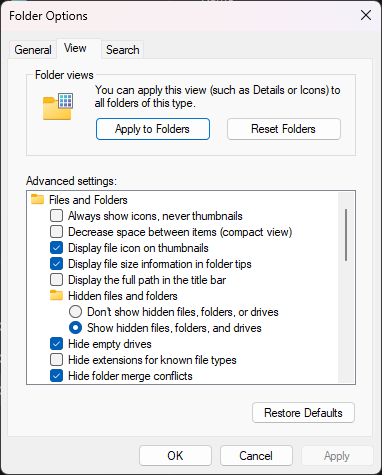
- The selected files should disappear from the file manager. This is normal. You can view them again by enabling "Show hidden files" in File Explorer's "Folder Options" menu.
-
-
Since the BIOS and NAND files have already been dumped,
pico_file_dump.ndsis no longer necessary and can be deleted from the SD card root. -
Insert the SD card back into your DSpico and boot into the menu. The hidden files should no longer show up in the menu list, but DSiWare will still work!
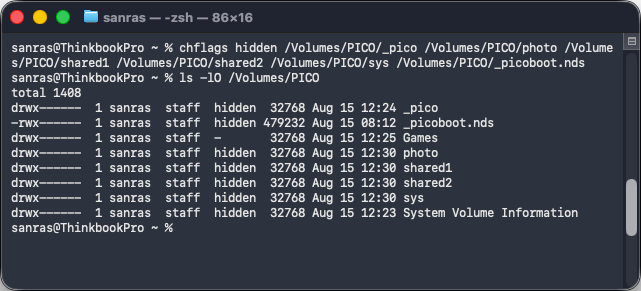
The chflags command-line tool can be used to set the FAT32 hidden attribute on files and folders.
-
Insert the SD card into your Mac. It will mount under
/Volumes/, named after the card's label./Volumes/PICOis the SD card's label in the example below. -
Open Finder, and navigate to your SD card.
-
Open the Terminal app (press Cmd+Space, type
Terminal, then press Enter). -
Type
chflags hidden⠀(with the trailing space) in Terminal, but do not press Enter yet. -
Go back to your Finder window. While holding the Cmd key, click on any folders you would like to hide from Pico-Launcher's file list. The following files and folders are recommended to be hidden:
_picofolderphotofoldershared1foldershared2foldersysfolder_picoboot.ndsboot.nds
-
After you've selected all files and folders you'd like to hide, release Cmd, and then drag the selected folders into the Terminal window. Filepaths for each folder you selected will be automatically filled into the terminal.
-
Press Enter in Terminal to run the command and apply the hidden attribute to your selected files and folders.
-
To confirm your changes applied, run
ls -lO /Volumes/PICOand look for the wordhiddennext to each file or folder you selected.- If you're not sure what path your SD card is mounted at, look at the paths in the earlier
chflagscommand in your terminal. The part after/Volumes/is your SD card's label.
- If you're not sure what path your SD card is mounted at, look at the paths in the earlier
-
Since the BIOS and NAND files have already been dumped,
pico_file_dump.ndsis no longer necessary and can be deleted from the SD card root. -
Insert the SD card back into your DSpico and boot into the menu. The hidden files should no longer show up in the menu list, but DSiWare will still work!
Unhiding Files
You can later unhide files and folder you've previously hidden by using the chflags nohidden command. Simply follow this guide again, but use chflags nohidden instead of chflags hidden.
Console Compatibility
This only works if your DSpico with AKMenu-Next is running on a DSi or 3DS system. It will not load DSiWare on the Original NDS or DS Lite, since those consoles are missing the upgraded DSi hardware for running DSi-mode apps.
-
Download the DSpico BIOS and NAND dumper utility.
-
Place
pico_file_dump.ndson your DSpico's SD card root. -
Create a
DSiWarefolder on your SD card root, and place any DSiWare ROMs you'd like to play inside.DSiWare File Types
If your DSiWare dump is a file with no file extension, you can change the filename and add
.ndsto the end to get AKMenu-Next to pick it up. -
Eject the SD card, insert it back into your DSpico, then boot into the cart.
-
In the menu, navigate to and launch
pico_file_dump.nds. Dumping will begin. -
Once all files have been dumped, press the power button to turn off the system.
-
Boot up AKMenu-Next and ensure that
Game Loaderin settings is set toPico-Loader. -
DSiWare and encrypted DS ROMs can now be played! Navigate to the
DSiWarefolder and launch a game to play.
Optional Filesystem Cleanup
If you don't like the folder clutter caused by copying all the NAND files to the DSpico SD card, you can hide them from the menu by setting the hidden attribute on any files or folders you want hidden.
Choose the tab for your operating system below. Linux instructions will be added later, but it is possible to hide files and folders on Linux as well, with different steps.
-
Navigate to the SD card root on your PC's file explorer.
-
While holding the Ctrl key, click on any folders you would like to hide from AKMenu-Next's file list. The following files and folders are recommended to be hidden:
_picofolderphotofoldershared1foldershared2foldersysfolder_picoboot.ndsboot.nds
-
After selecting the last file, release the Ctrl key, then right click on one of the selected files. In the right click menu, select
Properties. -
A properties window will open. Under the
Attributessection, check theHiddenbox, then pressOK. -
A pop-up window will appear asking to confirm changes. Choose "Apply changes to the selected items, subfolders, and files", then press
OK. -
- The selected files should disappear from the file manager. This is normal. You can view them again by enabling "Show hidden files" in File Explorer's "Folder Options" menu.
-
-
Since the BIOS and NAND files have already been dumped,
pico_file_dump.ndsis no longer necessary and can be deleted from the SD card root. -
Insert the SD card back into your DSpico and boot into the menu. The hidden files should no longer show up in the menu list, but DSiWare will still work!
The chflags command-line tool can be used to set the FAT32 hidden attribute on files and folders.
-
Insert the SD card into your Mac. It will mount under
/Volumes/, named after the card's label./Volumes/PICOis the SD card's label in the example below. -
Open Finder, and navigate to your SD card.
-
Open the Terminal app (press Cmd+Space, type
Terminal, then press Enter). -
Type
chflags hidden⠀(with the trailing space) in Terminal, but do not press Enter yet. -
Go back to your Finder window. While holding the Cmd key, click on any folders you would like to hide from AKMenu-Next's file list. The following files and folders are recommended to be hidden:
_picofolderphotofoldershared1foldershared2foldersysfolder_picoboot.ndsboot.nds
-
After you've selected all files and folders you'd like to hide, release Cmd, and then drag the selected folders into the Terminal window. Filepaths for each folder you selected will be automatically filled into the terminal.
-
Press Enter in Terminal to run the command and apply the hidden attribute to your selected files and folders.
-
To confirm your changes applied, run
ls -lO /Volumes/PICOand look for the wordhiddennext to each file or folder you selected.- If you're not sure what path your SD card is mounted at, look at the paths in the earlier
chflagscommand in your terminal. The part after/Volumes/is your SD card's label.
- If you're not sure what path your SD card is mounted at, look at the paths in the earlier
-
Since the BIOS and NAND files have already been dumped,
pico_file_dump.ndsis no longer necessary and can be deleted from the SD card root. -
Insert the SD card back into your DSpico and boot into the menu. The hidden files should no longer show up in the menu list, but DSiWare will still work!
Unhiding Files
You can later unhide files and folder you've previously hidden by using the chflags nohidden command. Simply follow this guide again, but use chflags nohidden instead of chflags hidden.